Six decades across battlefields, tiger reserves, and the Himalayas — the life of Shiv Kunal Verma, year by year.
The Journey
A Life in Full
Six decades across battlefields, tiger reserves, and the Himalayas — from a soldier's son carried across the McMahon Line as an infant to the historian giving India back its military and natural history.
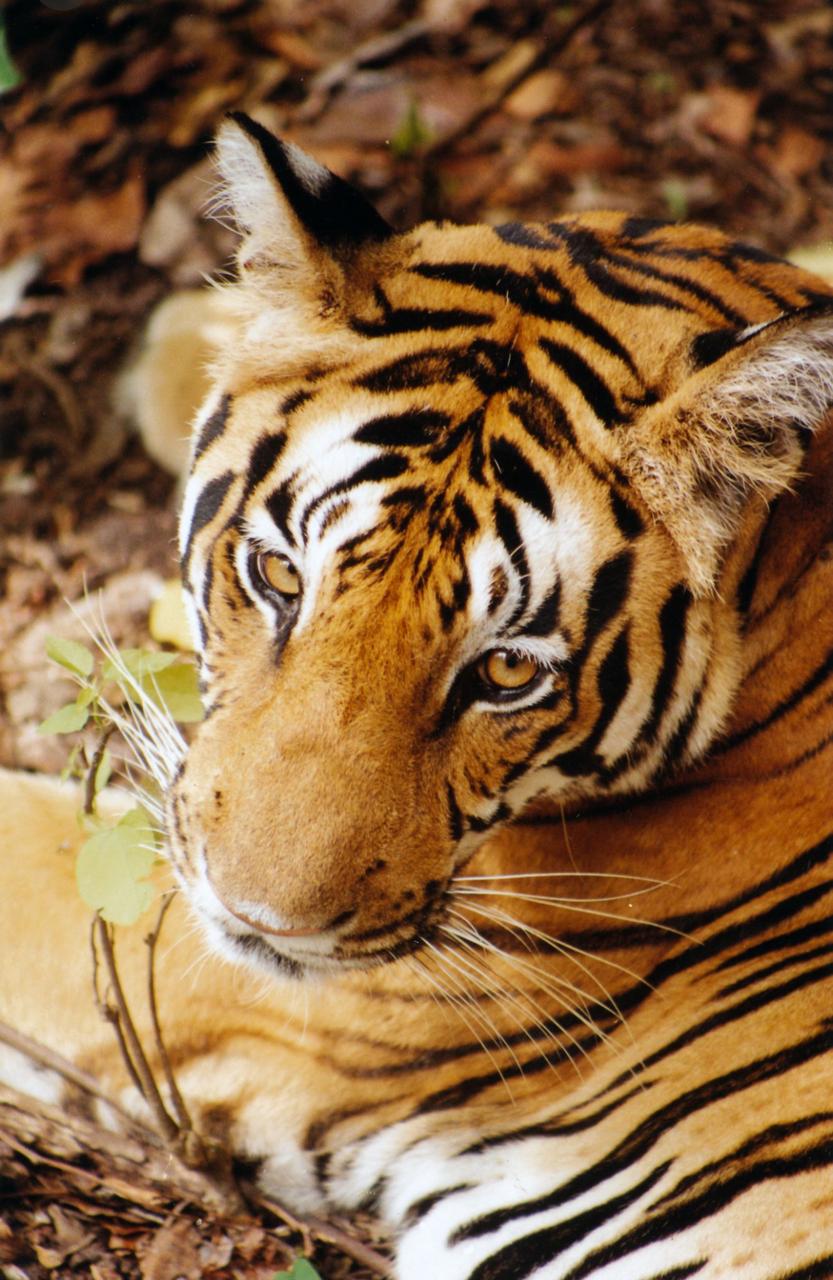
"Remember son, when you grow up, shoot tigers with a camera, not with a gun!"
George Schaller · Kanha, c. 1965
Era I
A Soldier's House
1959–1971
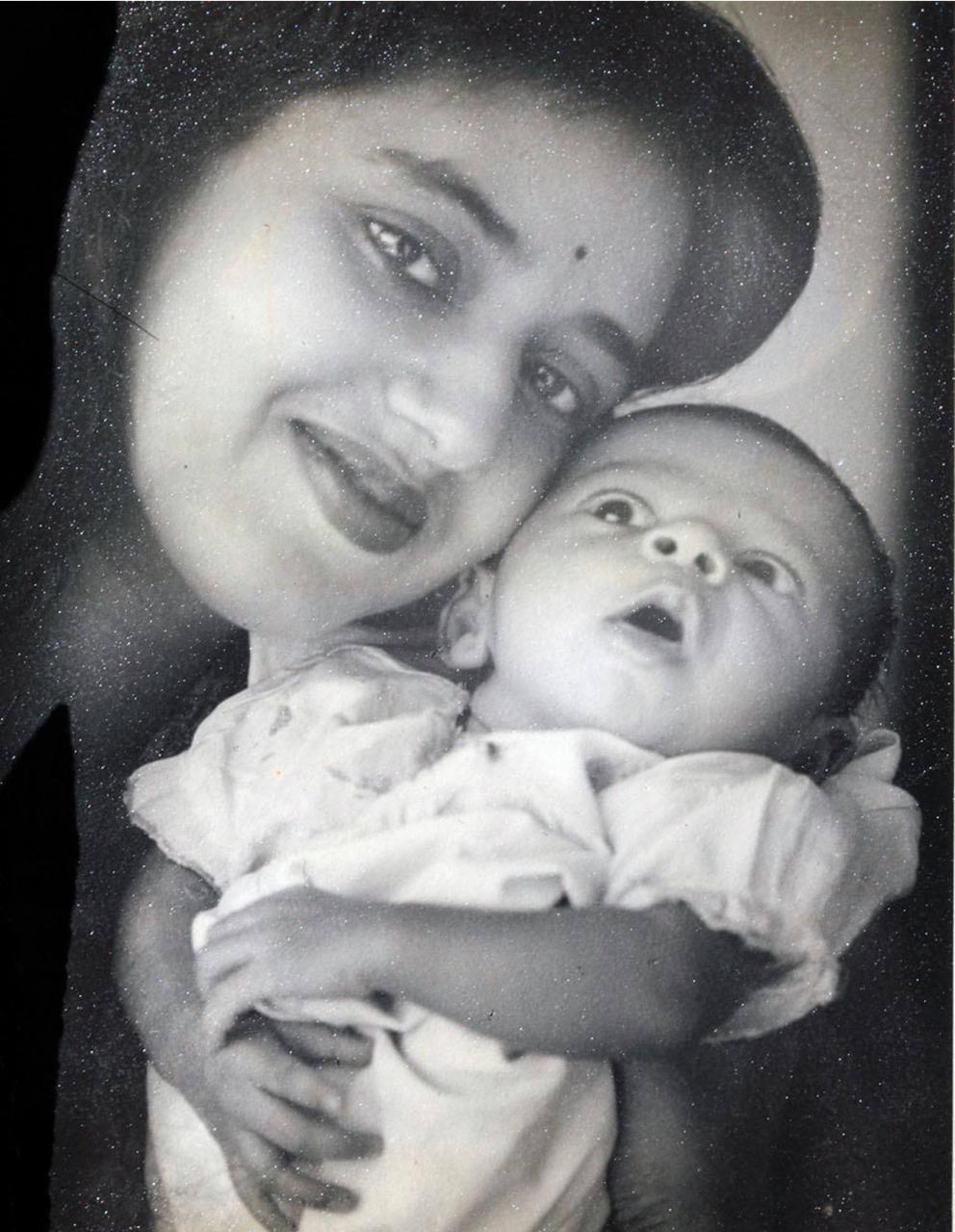
With his mother11 June 1959
Doomed for Doon
His parents marry at the Doon School itself; headmaster John Martyn bellows across the tables that the yet-unborn son must be registered for Doon. "I was doomed for Doon!"
5 October 1960
Born at Doon Hospital, Dehradun
"Kunal" for Emperor Ashok's son; "Shiv" for an ancestor whose engraved pistol turned up in the Nizam of Hyderabad's armoury.
January 1961
Carried into Tezu, NEFA
Across the Digaru on a swimming elephant, to a bamboo basha that tigers tested with their paws at night — Tezu being the rear base for 2 Rajput, his father's battalion, then deployed forward at Walong on the McMahon Line.
20 October 1962
2 Rajput destroyed on the Nam Ka Chu
The battalion is annihilated in the opening of the China war. The grief and silence around that battle would become the germ of his life's work.
c. 1965
A camera, not a gun
At Kanha, aged four, a chance meeting with biologist George Schaller: shoot tigers with a camera, not with a gun.
1969
Eleven months at Fort Benning
While his father tops the Allied officers' course in Georgia: Little League home runs, and Apollo 11 watched live on a neighbour's colour TV.
December 1971
The assault on Akhaura
His father leads 18 Rajput in the Bangladesh War — earning a Battle Honour and a Mention-in-Despatches.
"Join the army — or go to hell!"
His father · the one career-counselling session of his life
Era II
Fauji
1972–1980
1972–1976
The Doon School — nicknamed "Fauji"
War paintings in the Art School, chief editor of the school paper Hell'uva Fag while still a junior, and top of the English Language paper in India's last Senior Cambridge batch.
1977
He rebels against the army
Expected to enlist, at the NDA entrance exam he writes only his name and roll number and walks out.
1977–1980
Madras Christian College
From failing every first-semester subject to captain of the college tennis team; co-creates the campus festival "Deep Woods."
1980
Wins the Times of India essay prize
His essay "The Pseudo Society," secretly entered by his professor, wins the All-India competition — and lands him a trainee's desk at the paper at nineteen.
"Kunal… buddy! You'll have to shoot yourself. All the best!"
Bittu Sahgal · 1986
Era III
Mountains
1981–1986
1981
Opening the routes to Zanskar
Quits the Times of India for a quarter of the salary to open Himalayan trekking routes for Tiger Tops between Srinagar and Leh; crosses the 17,000-ft Umasi La into Zanskar in his first season.
1981
The maps that started the race for Siachen
In Padam he barters a route sketch for two US Air Force maps — which show the American cartographic line handing the Siachen Glacier to Pakistan. The maps travel to Army HQ and Indira Gandhi; the race for Siachen begins.
October 1981
A life saved on the Kanji La
On a late-season crossing, finds a frostbitten sixteen-year-old horseman left for dead in a stone shelter — revives him and pays to have him flown out. The boy lives.
Winter 1981–82
First descent of the Marsyangdi
Eighth man on the first successful raft descent of Nepal's Marsyangdi river.
1983
India Today — and a summons to South Block
His exposé of Srinagar as the subcontinent's wildlife-poaching loophole causes an uproar in Parliament — and the 23-year-old is summoned to brief Prime Minister Indira Gandhi in person.
March 1984
Shot in the shin at Kaziranga
Investigating rhino poaching, he chases poachers to the Brahmaputra and is shot — the slug dug out with a heated knife, the wound dressed with egg white.
June 1984
Operation Blue Star
A surreal midnight audience with Lt Gen Sundarji; he witnesses the Golden Temple assault from Amritsar, then covers the Sikh Regiment mutiny at Ramgarh.
31 October 1984
The night of the assassination
Indira Gandhi is assassinated. Now an AP correspondent, he rides into the burning city, seizes a marked voters' list proving the killings were organized, carries it to the army — and spends the night facing down a mob to defend a friend's family.
December 1984
Bhopal, for the Associated Press
He walks the gas-soaked lanes of Nishatpura with a wet cloth over his face, and is the lone journalist in pursuit as Union Carbide's CEO is quietly flown out of India.
December 1984
A napkin sketch for Rajiv Gandhi
Flying to Punjab rallies, he sketches an assassination vulnerability on a napkin mid-flight; by the next sortie, the rally platform design had been changed.
1985
Wildlife camp, and a wolf hunt
Convenes the Army's first Wildlife Preservation Camp at Sariska; in Hazaribagh, joins a village beat against man-eating wolves and shoots two of the four himself.
September 1986
He quits journalism for the jungles
After watching a staged "militant" photograph make the national front pages, he leaves journalism for good.
"Make a film that makes the air force feel nine feet tall!"
J.R.D. Tata · Bombay House, 1992
Era IV
Call of the Wild
1986–1992
1986
The Project Tiger series
Bittu Sahgal hands him the 13-part television series. On his first shoot as director he films dholes in Sariska — the first ever recorded there — and Rajiv Gandhi schedules a cabinet visit to see them.
1986
"You'll have to shoot yourself"
At Calcutta airport, with no cameraman in sight — the emergency that made him a cinematographer.
1987
The Bastar wild buffalo
Deep in Naxal Bastar, from a watchtower in 46°C heat, he films the wild buffalo — the first photographic record since 1956 — then is escorted into Abuzmad by an armed Naxal column to film tribes few outsiders had seen.
1988
KaleidoIndia is founded
With film editor Dipti Bhalla — the partnership named on the spot at the stamp-paper vendor's counter.
1988–1990
Call of the Wild
The five-part series for the Department of Tourism: wild tigers filmed mating at close range in Ranthambhore, forty elephants swimming a Periyar lake.
10 March 1989
Twelve feet from a tusker
Alone beneath a tree in Corbett, camera running, as the resident tusker halts, studies him, and saunters off. "The closest I came to attaining Nirvana."
29 March 1992
J.R.D. Tata sanctions the IAF film
At Bombay House, ₹21 lakh for a film on the Indian Air Force with two conditions — never come back for more, and "make a film that makes the air force feel nine feet tall!"
"When you write your autobiography, remember this moment. Alright Kunal, you have control."
Wg Cdr Nandrajog · handing him a Mirage 2000 mid-air, 1992
Era V
Nine Feet Tall
1992–2003
27 June 1992
Marriage, then reconnaissance
Marries Dipti Bhalla in Bombay. Within weeks the two are flying reconnaissance across India for the IAF film.
Aug–Oct 1992
Salt of the Earth is shot
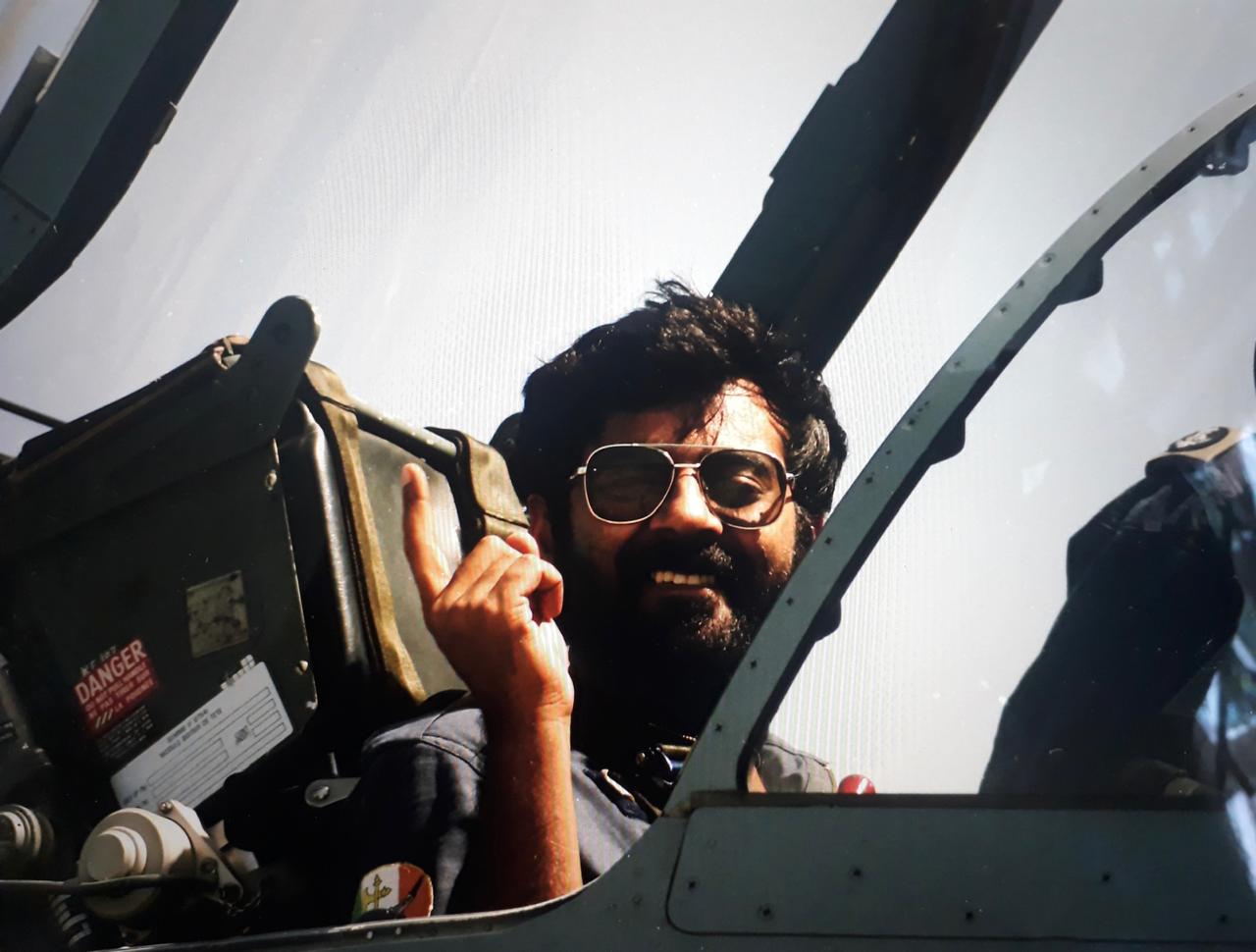
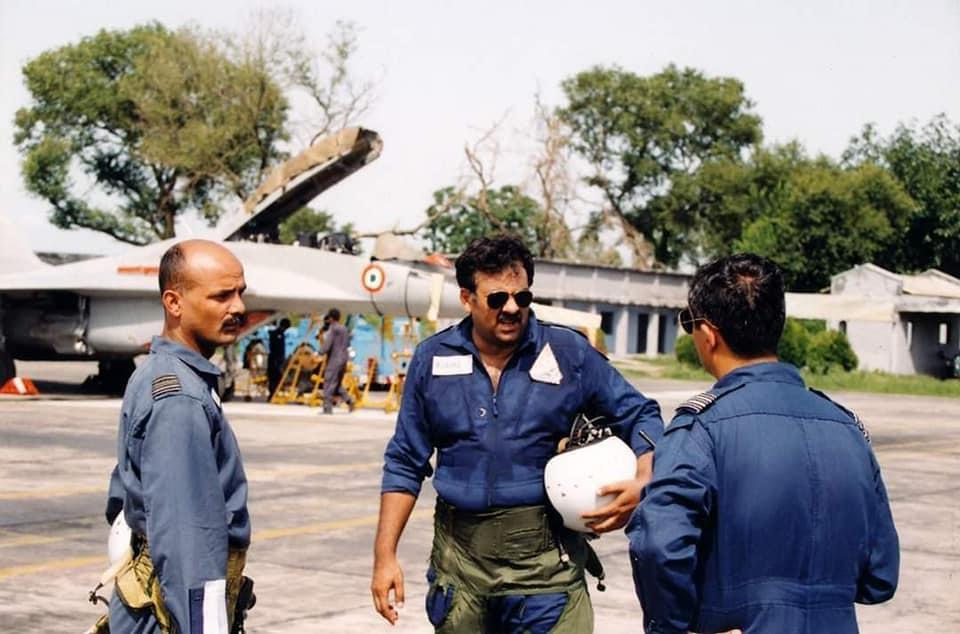
Across the length of India: he flies MiG-29s, Mirage 2000s and Jaguars, lands at an 18,500-ft post on the Saltoro ridge, films the then-secret MiG-25 Foxbats — and holds a MiG-21 level when his pilot blacks out mid-sortie. Dipti becomes the first woman to fly in an IAF Jaguar.
Flying in a Mirage 2000.
23 March 1993
Premiere on Doordarshan
Salt of the Earth, narrated by cosmonaut Rakesh Sharma, is telecast nationally — outdrawing the country's most popular programming.
1994–1998
The Naval Dimension trilogy
Carrier recoveries on INS Vikrant, missile launches filmed from a helicopter hovering at "hand-shaking distance."
January 1995
Four days at gunpoint in Kashmir
For the Army's Green Flash films he spends four days embedded — hooded, at gunpoint — with a Hizbul Mujahideen group; the tapes are screened for the Prime Minister and the Army Chief.
1997
Charting the Deep
His hydrography film is screened in Malta — and helps India beat the Royal Navy to the contract to chart Oman's waters.
June–July 1999
Kargil, under artillery fire
He films the war from Drass, Batalik and Tiger Hill, distributes his footage free to every network, and records the POW interviews that oblige Pakistan to take its soldiers back.
March 2000
Shown to President Clinton
His Kargil film is presented to Bill Clinton during the US state visit; Time magazine features it.
2001–2002
Aakash Yodha
A year flying with the IAF — formation aerobatics with the Surya Kirans, Su-30s, doors-off helicopter sorties to 20,000-ft Siachen posts.
8 October 2003
Aakash Yodha on Air Force Day
It airs on Discovery — the Air Chief credits him with "single-handedly solving the IAF's recruitment problem." The Standard Bearers, his NDA film, follows weeks later.
"You will change the face of the country with this."
President Pratibha Patil · on the Northeast Trilogy, 2011
Era VI
Ocean to Sky, and into History
2004–2016
2004
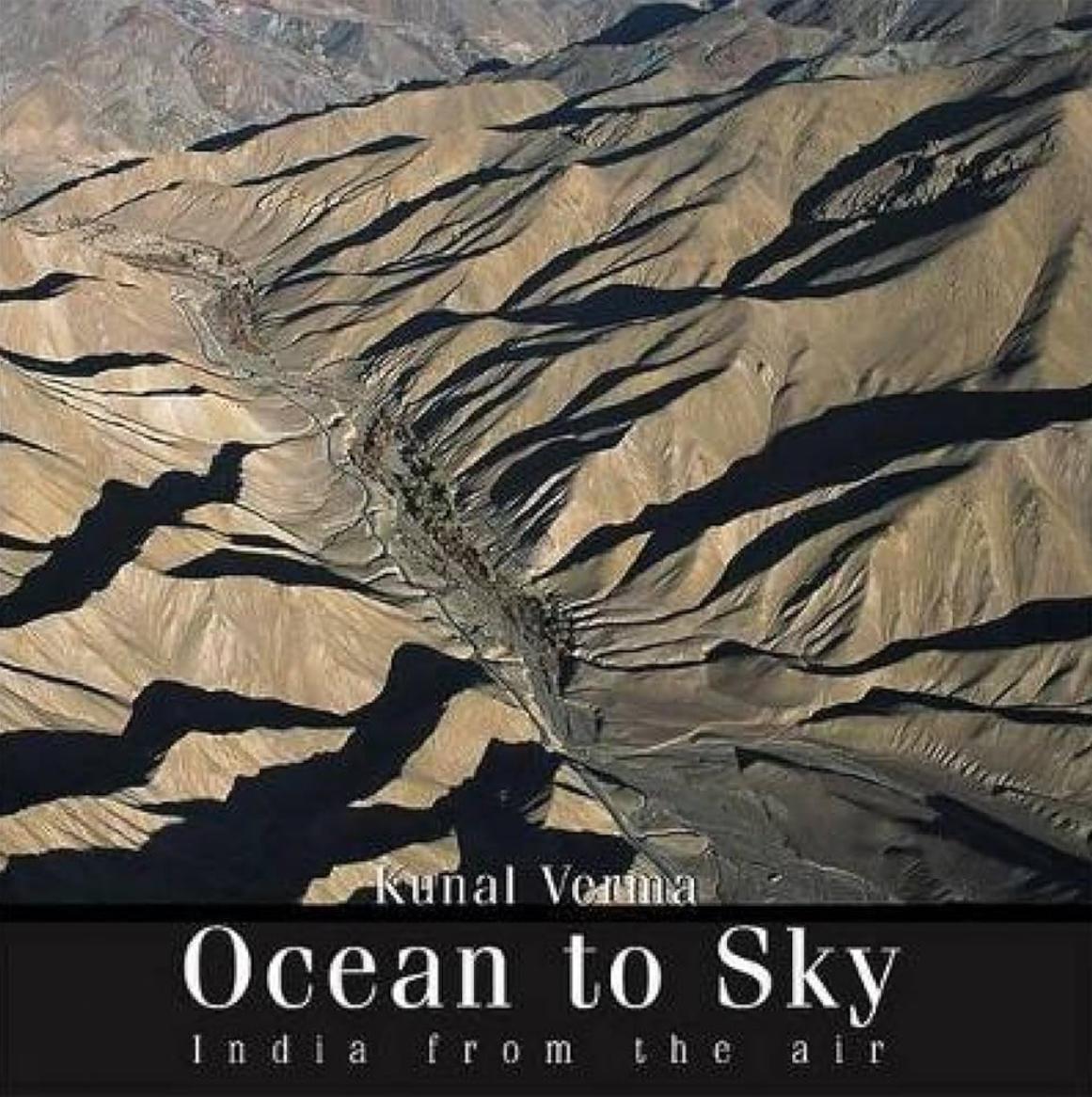
First book: Ocean to Sky
India from the Air (Roli Books) — a decade of aerial photography, with a foreword by Rakesh Sharma.
27 April 2004
The testimony of a survivor
In Varanasi he records Honorary Captain Darshat Singh — a Nam Ka Chu survivor shot some twenty times in 1962 — the testimony that will open his landmark book twelve years later.
2007
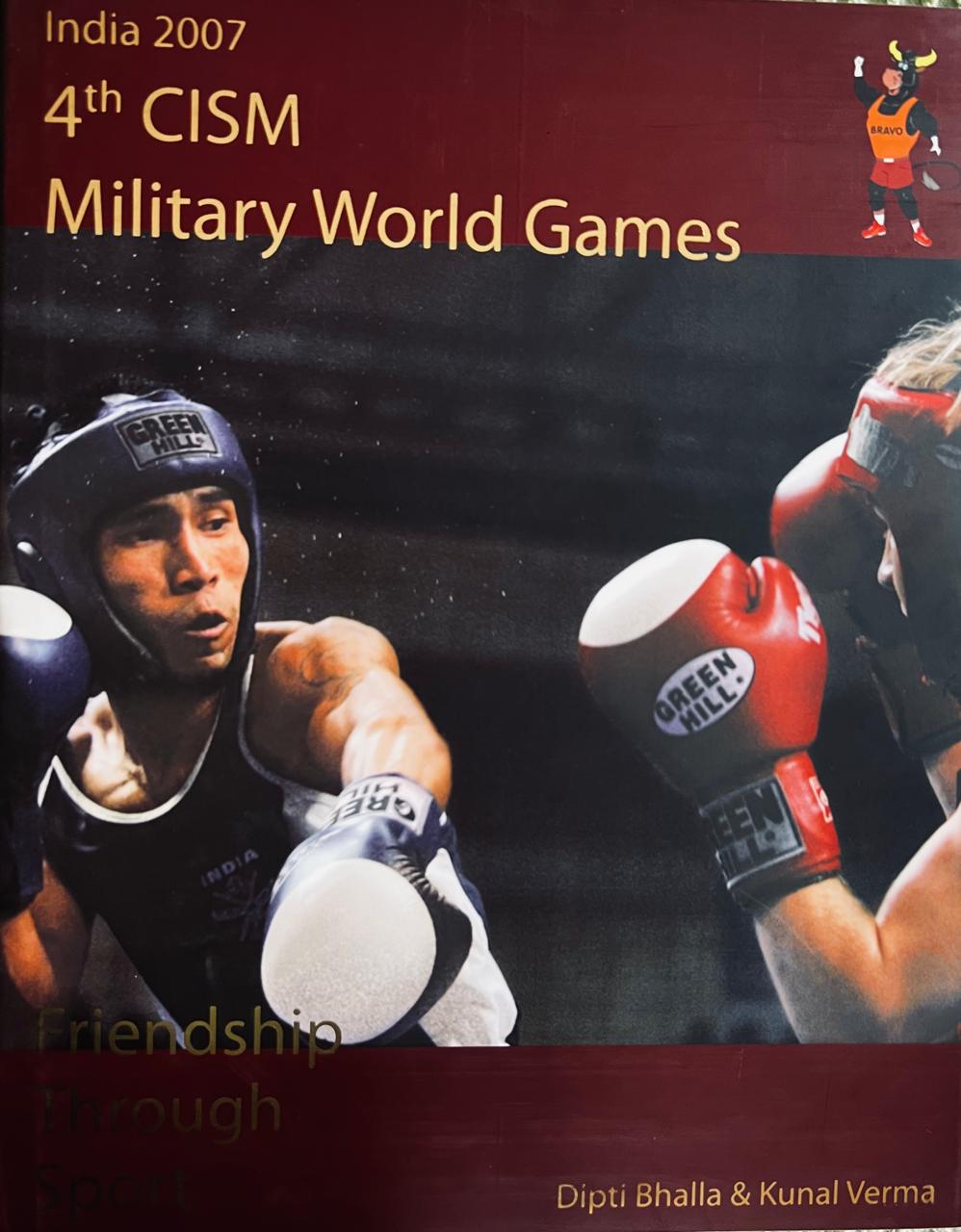
The Military World Games
Shoots the Games film and book, teaching himself digital sports photography and out-shooting the international agencies.
2009–2010
The Northeast becomes a calling
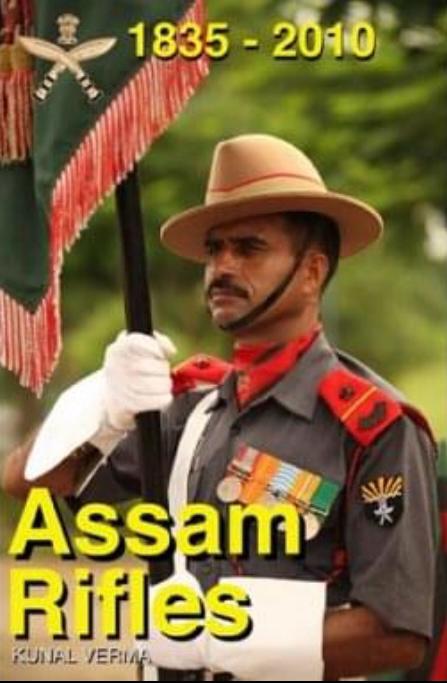
The Northeast Palette, then the Assam Rifles 175th-anniversary volumes, released by President Pratibha Patil.
2011
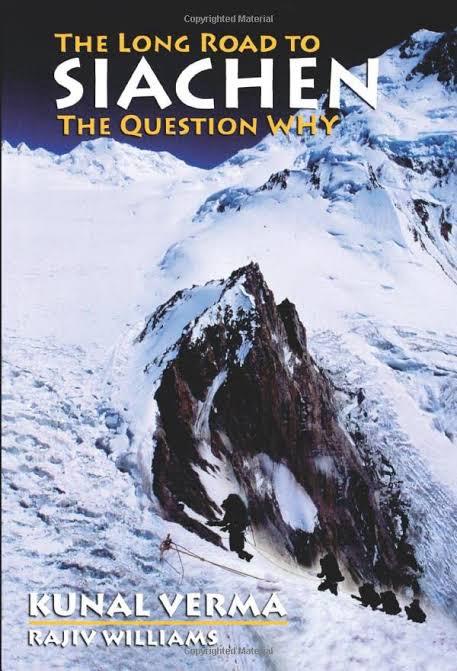
The Long Road to Siachen
The Question Why (Rupa) — its cover photograph one he had taken himself on a 2001 helicopter approach at 20,000 ft.
15 January 2012
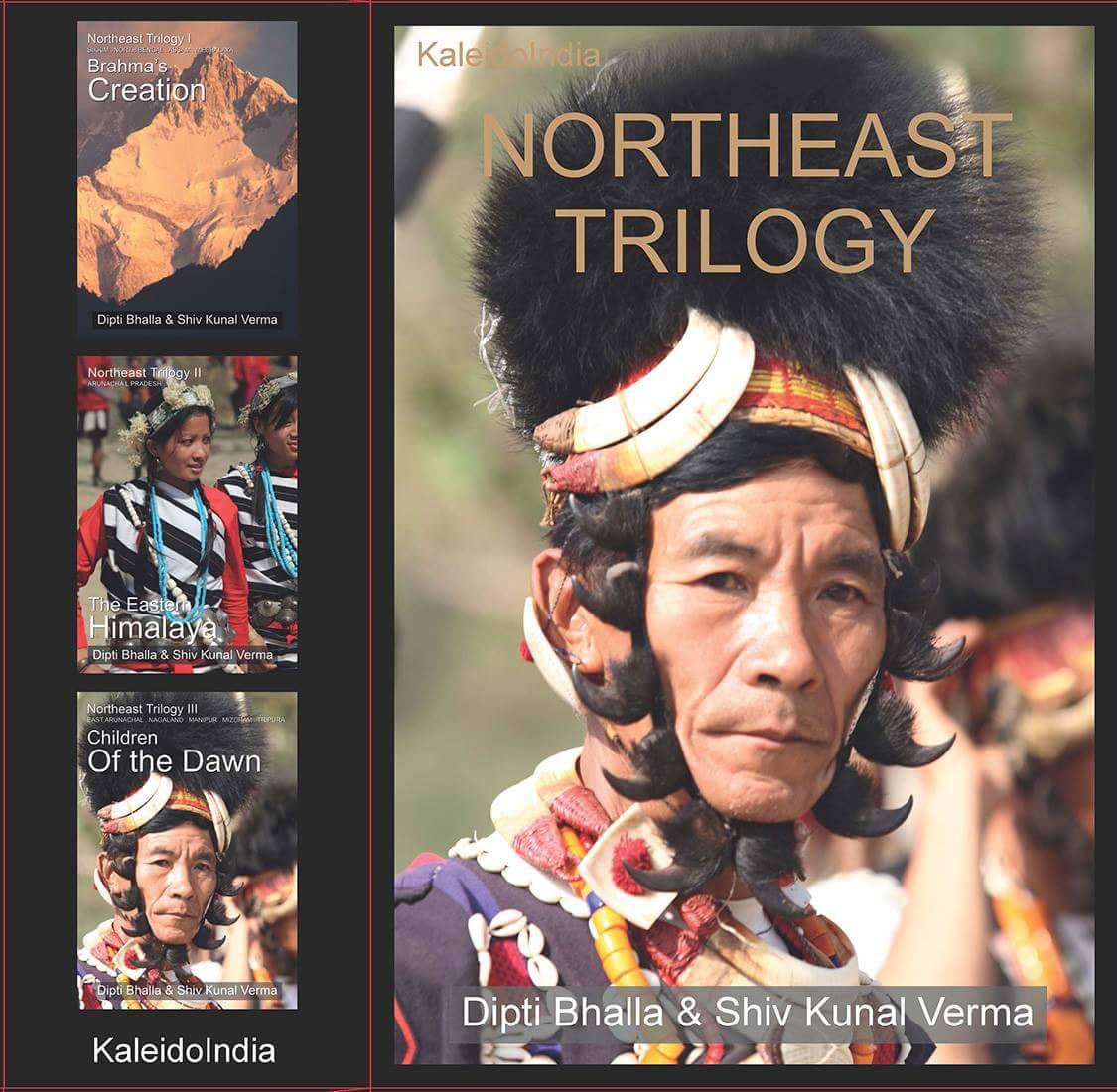
The Northeast Trilogy
All three service chiefs release it: 105 shooting trips over three and a half years, 2,300+ photographs across 1,100 pages, designed entirely by him. The Prime Minister had wanted it released from the Red Fort.
2013
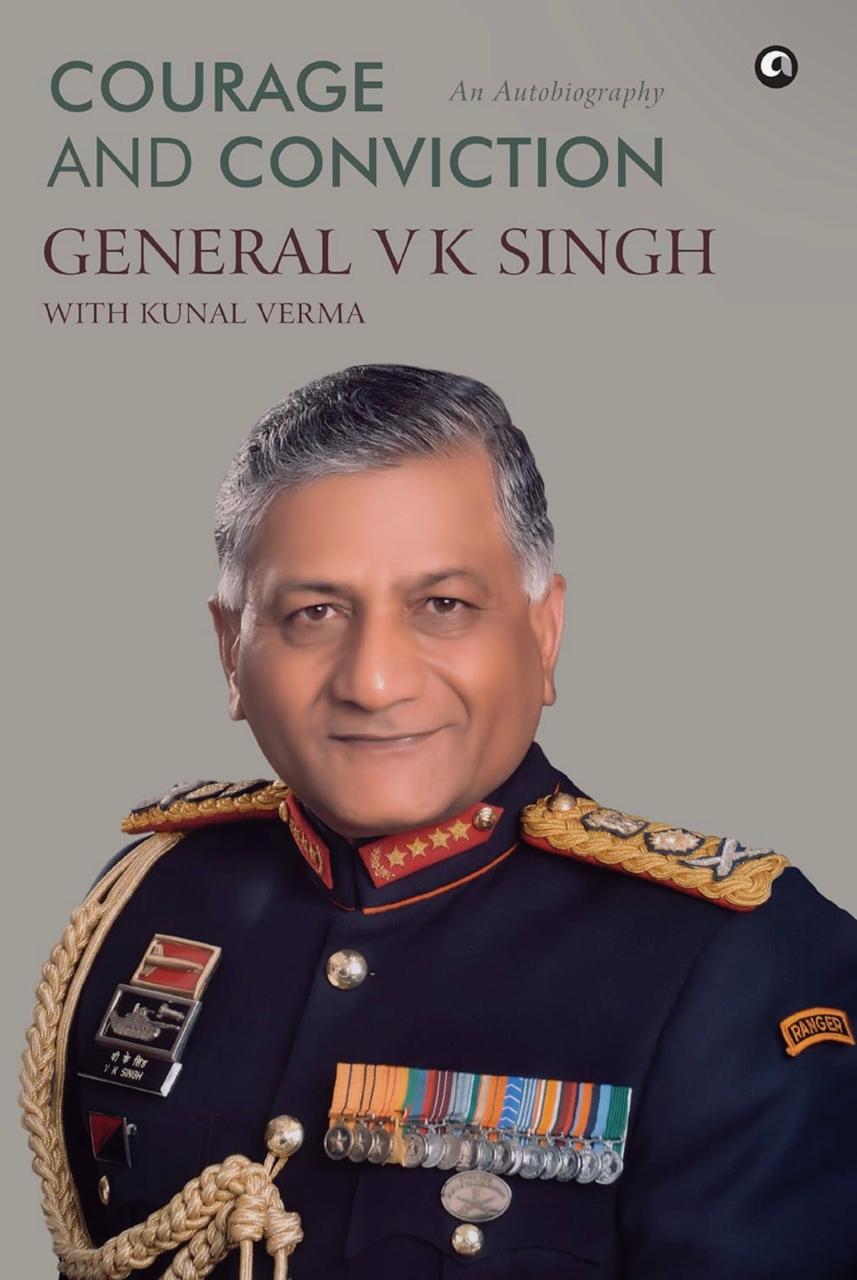
Courage & Conviction
Co-authors the autobiography of Gen V.K. Singh (Aleph), and is commissioned to write the definitive series on India's post-Independence wars.
February 2016
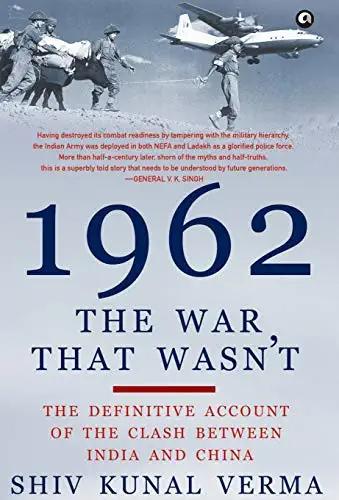
1962: The War That Wasn't
Launched at the India International Centre — his mother does the honours. Critics call it the book that set the bar for Indian military history.
Era VII
The Long Road Continues
2016–today
2016–2017
The alternate-education mission begins
Packed lecture halls from Doon to Chennai reveal students starved of their own military history; he begins monthly lectures and, in October 2017, the first two-day Military History Seminar at Welham Boys'.
July 2018
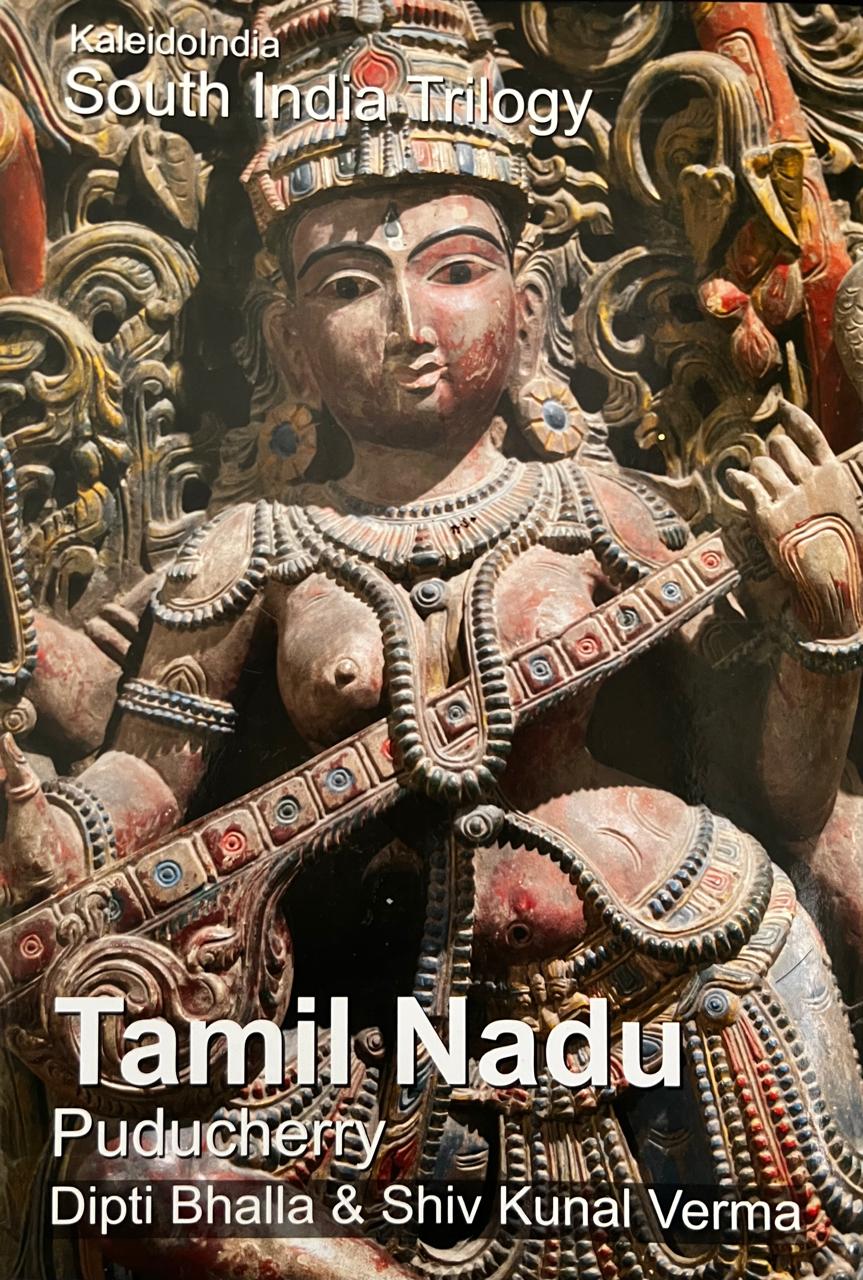
The Tamil Nadu volume, and Taipei
The Tamil Nadu volume of his southern project is launched in Chennai; the same year he presents it to President Tsai Ing-wen in Taipei.
5 October 2021
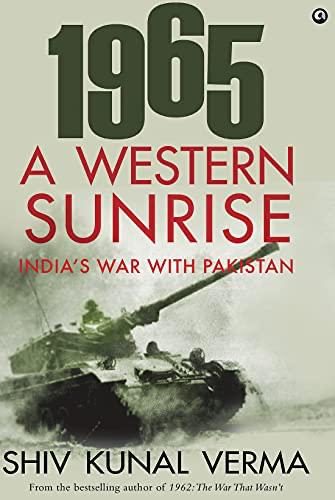
1965: A Western Sunrise
Written through lockdown at Windsong, his home in Kullu, it is released on his 61st birthday — completing the wars diptych.
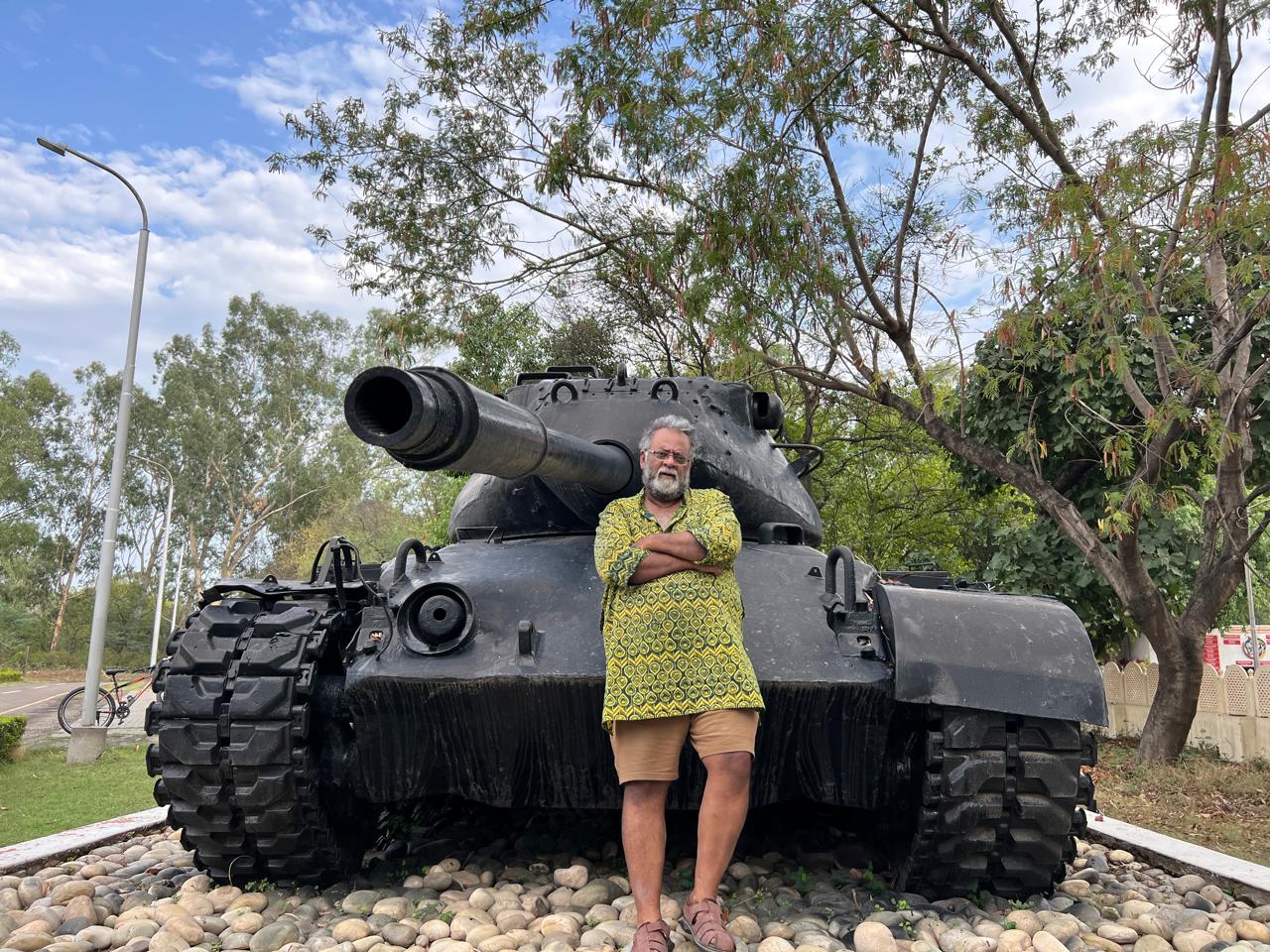
A Pakistani M-48 Patton — its barrel lowered, the posture that signifies capture by the Indian Army.
February–April 2026
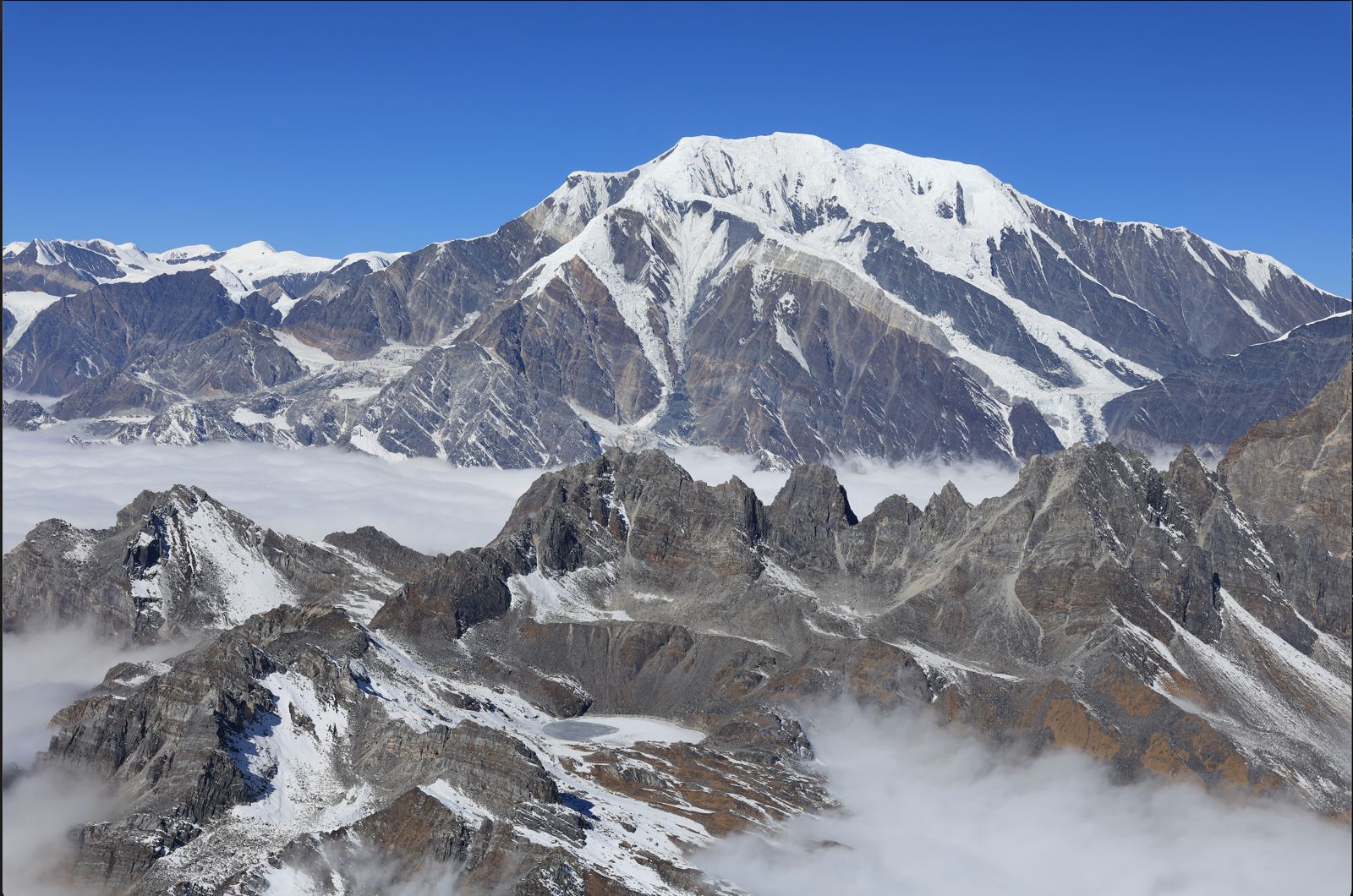
Photographing the McMahon Line
Weeks of doors-off helicopter sorties over Arunachal and Sikkim, cresting 20,000 ft — photographing the McMahon Line for the first time.
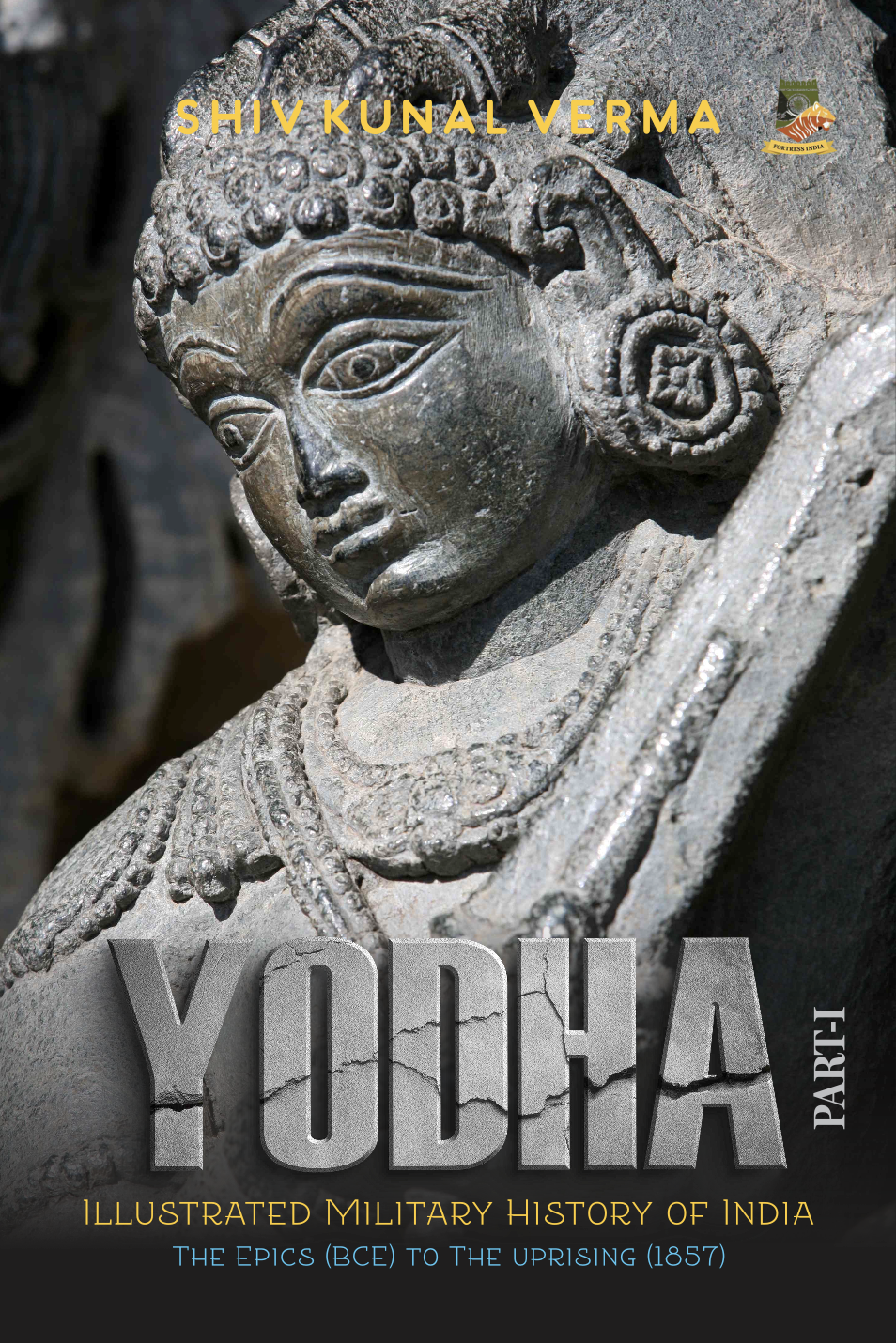
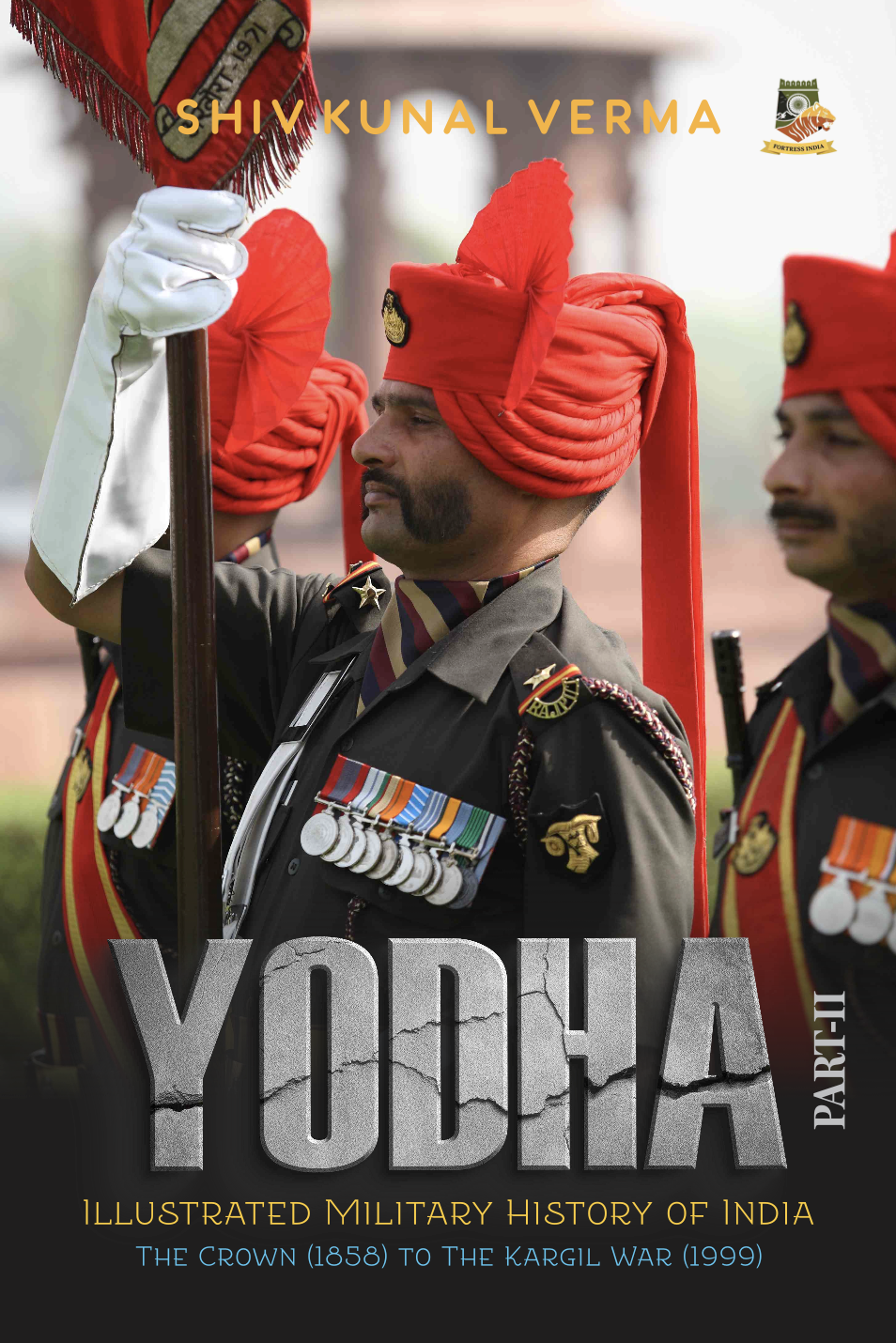
The two-part Yodha: Illustrated Military History of India and a quartet of wildlife volumes carry the work onward: giving India back its military and natural history.
Upcoming · 2026
The Arunachal Trilogy
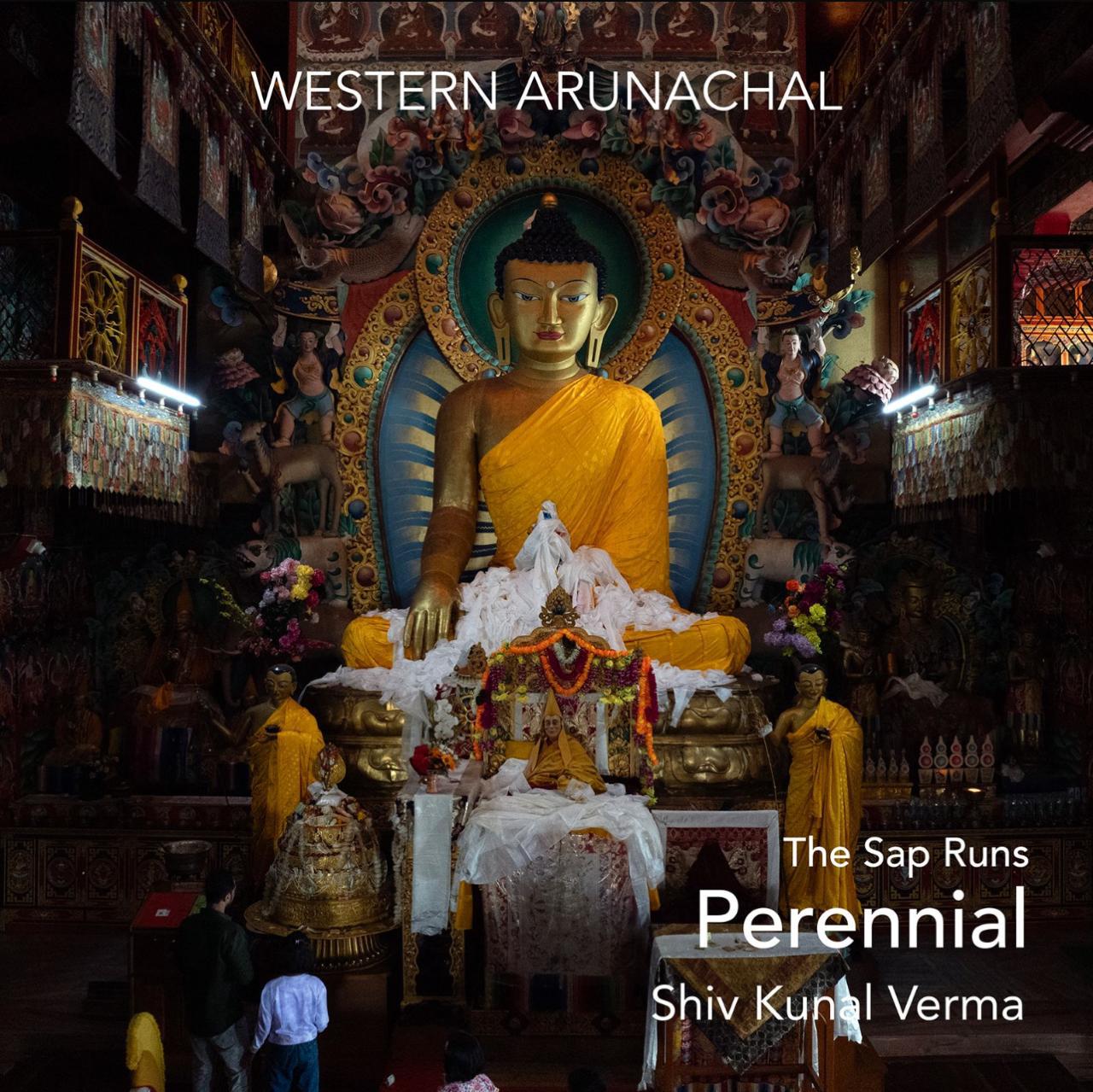
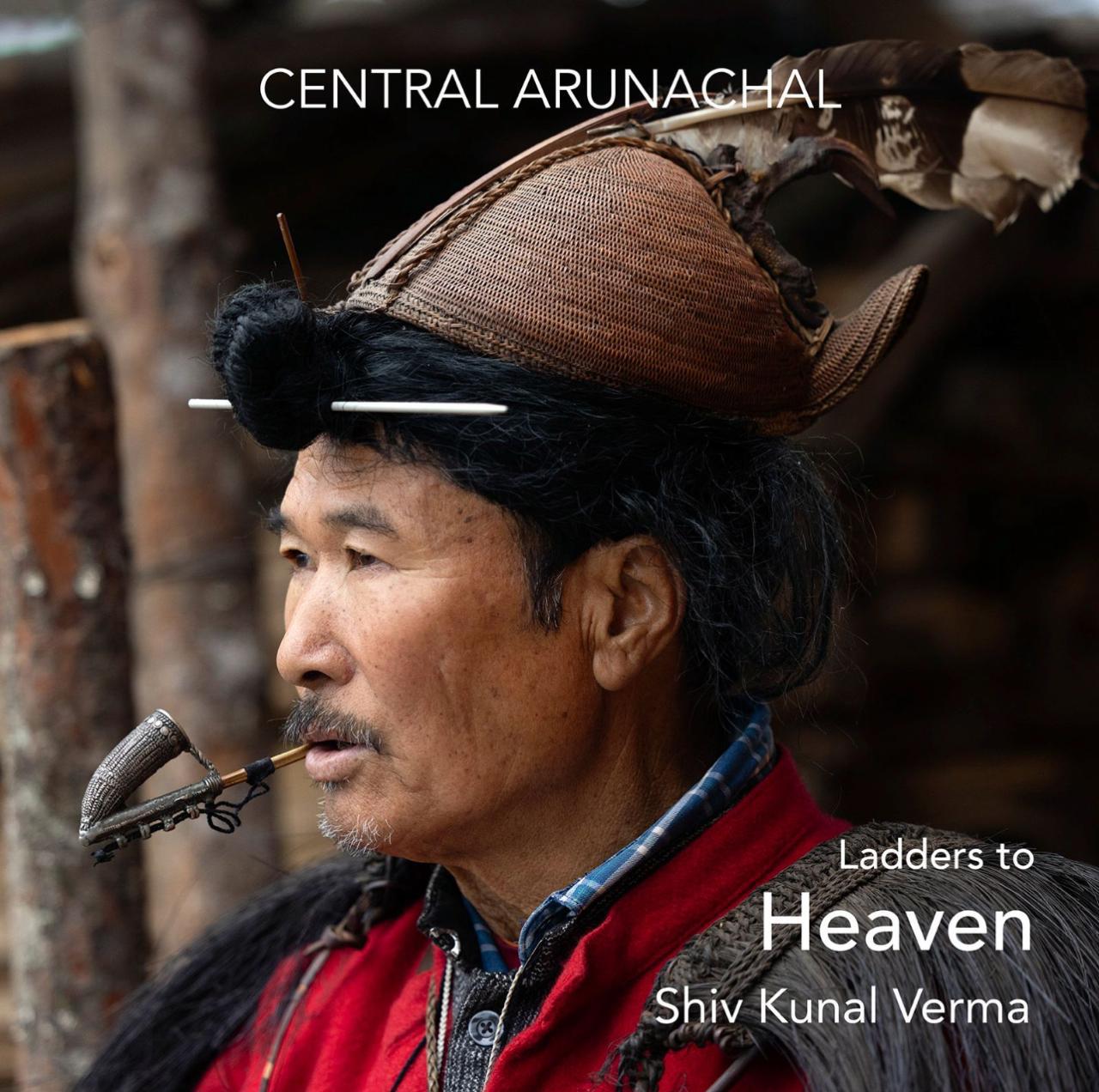
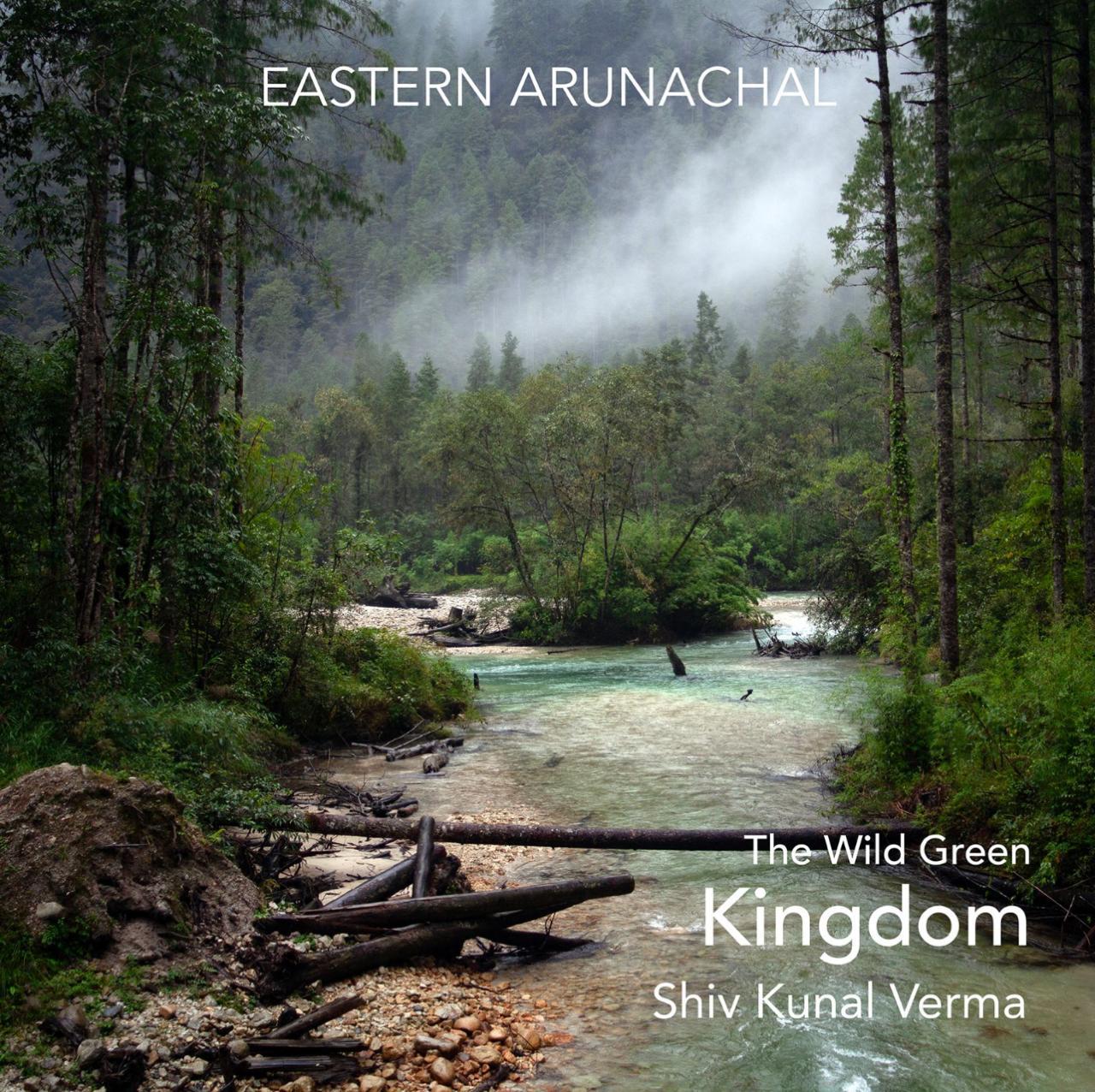
Three forthcoming volumes on Arunachal Pradesh — Western (The Sap Runs Perennial), Central (Ladders to Heaven) and Eastern (The Wild Green Kingdom) — a portrait of the state's land, peoples and wildlife.
Read the autobiography
Industani
A Life in Six Degrees of Separation — the story behind this journey, in his own words.
"Seasons come and seasons go… I can only remember with gratitude the time spent with so many people who then become a part of one's life. And yet, as they say, time waits for no one…"

 See the McMahon Line photo essay · 2026 →